The Todra Gorge, also written Todgha, is one of Morocco's most dramatic natural sights: a deep limestone canyon where sheer walls climb to around 300 metres and the corridor narrows to roughly 10 metres at its tightest point. The Todgha river still threads along the floor, the same flow of water that cut the gorge over many thousands of years.
It sits in the eastern High Atlas, about 15 km north of the oasis town of Tinghir, reached by following the palm groves upstream from town. The gorge lies on the so-called road of a thousand kasbahs between Ouarzazate and Errachidia, and is most often paired with the nearby Dadès Gorge on a scenic loop through the mountains. Easy to reach yet genuinely spectacular, it draws walkers, photographers and rock climbers from around the world.
Key facts
- Location
- Eastern High Atlas, about 15 km north of Tinghir in the Drâa-Tafilalet region.
- River
- Carved by the Todgha (Todra) river, which still runs along the gorge floor.
- Scale
- Walls rise to around 300 metres; the canyon narrows to roughly 10 metres at its tightest.
- Climbing
- A renowned limestone sport-climbing venue with many bolted routes across a wide range of grades.
- On the route
- Lies on the road of a thousand kasbahs between Ouarzazate and Errachidia, often paired with the Dadès Gorge.
- Best seasons
- Spring and autumn for the mildest conditions; year-round access with seasonal extremes.
How the gorge was formed
The Todra Gorge is a classic example of a river cutting down faster than the surrounding rock could erode. As the High Atlas was uplifted, the Todgha river kept to its course and sliced a deep, steep-sided slot through a thick band of limestone, leaving walls that in places rise close to vertical for hundreds of metres.
The most striking section is also the narrowest, where the cliffs press in to around 10 metres apart and the sky becomes a thin ribbon overhead. Sunlight only reaches the floor for part of the day, so the gorge shifts from cool shadow to warm glowing rock as the hours pass. The pale grey and orange limestone, streaked with darker water marks, gives the canyon its distinctive layered look.
Walking the floor of the gorge
The simplest way to experience Todra is on foot. A paved road runs through the narrowest part, but the floor is easily walked, and most visitors stroll the short stretch where the walls are highest to feel the full scale of the canyon. Looking up at the cliffs and watching climbers high on the rock is the main draw here.
Beyond the famous narrows the gorge opens out and quieter trails continue upstream. Longer walks and guided circular hikes climb out onto the plateau and link back down through Berber villages and palm groves, rewarding those who want more than the roadside viewpoint. Wear sturdy shoes, carry water, and be ready for uneven ground if you head past the paved section.
A world-class climbing destination
Todra is one of the best-known limestone climbing venues in Morocco and a recognised destination on the international scene. The compact, vertical walls right beside the road put hundreds of bolted sport routes within easy reach, covering a wide spread of grades from gentle beginner lines to steep, advanced testpieces.
The rock is solid limestone offering pockets, cracks, flakes and the occasional tufa, on terrain that ranges from slabby to gently overhanging. Because so much climbing sits close to the parking and to cafes and small guesthouses, the gorge is especially popular with climbers stepping from the gym onto real rock. The setting, with the river running below and walls soaring above, makes it a memorable place to climb.
The Tinghir oasis below
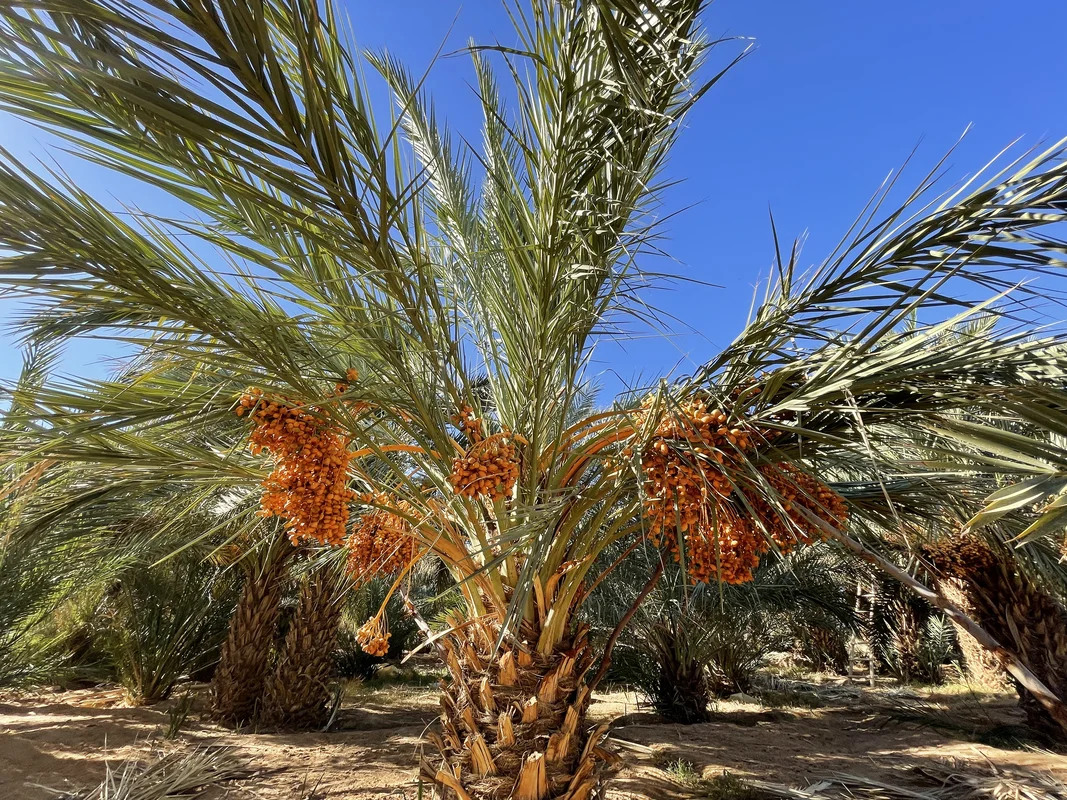
The gorge is inseparable from the green valley that leads up to it. Tinghir is a long, sprawling oasis fed by the Todgha river, its floor a dense ribbon of date palms, fruit trees and small irrigated plots farmed in the traditional way. Old mud-brick kasbahs and villages cling to the slopes above the greenery.
The drive from town up to the gorge passes through this palm grove, and many visitors stop to walk among the gardens or look down over the oasis from the higher ground. The contrast is part of the appeal: lush cultivated valley below, bare towering rock above. Spending time in Tinghir and its palmeraie rounds out a visit and makes the gorge feel like the dramatic finale of the valley rather than an isolated stop.
Connecting with the Dadès Gorge and kasbah route
Todra rarely stands alone on an itinerary. It sits on the road of a thousand kasbahs, the scenic corridor lined with earthen fortresses that runs between Ouarzazate and Errachidia along the southern edge of the High Atlas.
The natural pairing is with the Dadès Gorge to the west, famous for its winding switchback road and rock formations. A common plan combines both gorges over one or two days, then continues east toward the desert. Many travellers fold Todra into a longer trip out to the dunes, whether on a self-drive loop or as part of Sahara desert tours that thread the kasbah route on the way to and from the sands.
Best time to visit and what to expect
Todra can be visited year-round, but conditions vary with the seasons. Spring and autumn are the most comfortable, with mild days ideal for walking and climbing. Summer brings strong heat on the open approach, though the shaded narrows stay relatively cool; winter days can be pleasant but nights are cold at this altitude.
The narrowest section is busiest in the middle of the day when tour groups arrive, so an early or late visit is quieter and the low-angled light is far better. Be aware that the Todgha is a real river: after heavy rain or snowmelt the water level rises and flash flooding is possible, so check conditions before walking far up the floor. Bring water, sun protection and a layer for the shade.
Photography tips
The gorge is a rewarding but tricky subject. The huge difference between bright sky and shadowed walls makes harsh midday light difficult, so the best results usually come early or late, when warm sun rakes across the upper cliffs and the contrast softens.
To convey the scale, include a person, a vehicle or a climber against the rock; without something familiar for reference, the walls flatten in photos. Shoot upward in the narrows to capture the thin strip of sky, and look back down toward the palm groves of Tinghir for shots that pair the bare canyon with the green oasis. A wide lens helps in the tight section, while reflections in calm stretches of the river add foreground interest.